The best server-side tracking tools for E-commerce are Aimerce, Google Tag Manager Server-Side, Stape, Triple Whale, and Hyros. Each solves a different problem. Aimerce is the top choice for Shopify brands that need accurate first-party data and conversion API support without managing server infrastructure.
Browser restrictions have made client-side pixels unreliable. Safari ITP limits cookies to 7 days. Ad blockers suppress pixels on 42% of desktop browsers. The result: your Meta Ads Manager shows 300 conversions while Shopify shows 500 orders. That 40% attribution gap wastes ad spend and breaks campaign optimization. Server-side tracking fixes it.
What Server-Side Tracking Does
Server-side tracking moves data collection off the browser and onto a secure server you control. Key benefits:
- Bypasses ad blockers and browser cookie restrictions
- Extends first-party cookie life beyond 7 days
- Sends verified conversion data directly to Meta and Google via Conversion API
- Improves Event Match Quality scores for better ad optimization
- Filters bot traffic before it reaches your analytics
Best Server-Side Tracking Tools for Shopify in 2026
| Tool | Shopify Native | Difficulty | Klaviyo | Bot Filtering | Deduplication | Starting Price | Best For |
|---|---|---|---|---|---|---|---|
| Aimerce | Yes | Easy | Yes | Yes | Built-in | $299/mo | Shopify brands, DTC scaling on Meta and Google |
| GTM Server-Side | No | Hard | Manual | Manual | Manual | Free + $90/mo hosting | Brands with in-house developers |
| Stape | No | Hard | Manual | Manual | Manual | $20/mo | Performance marketers using GTM |
| Triple Whale | Yes | Medium | Partial | Partial | Partial | $300/mo | Multi-channel attribution reporting |
| Hyros | Partial | Medium | Partial | Partial | Partial | $230/mo | High-ticket, long sales cycle brands |
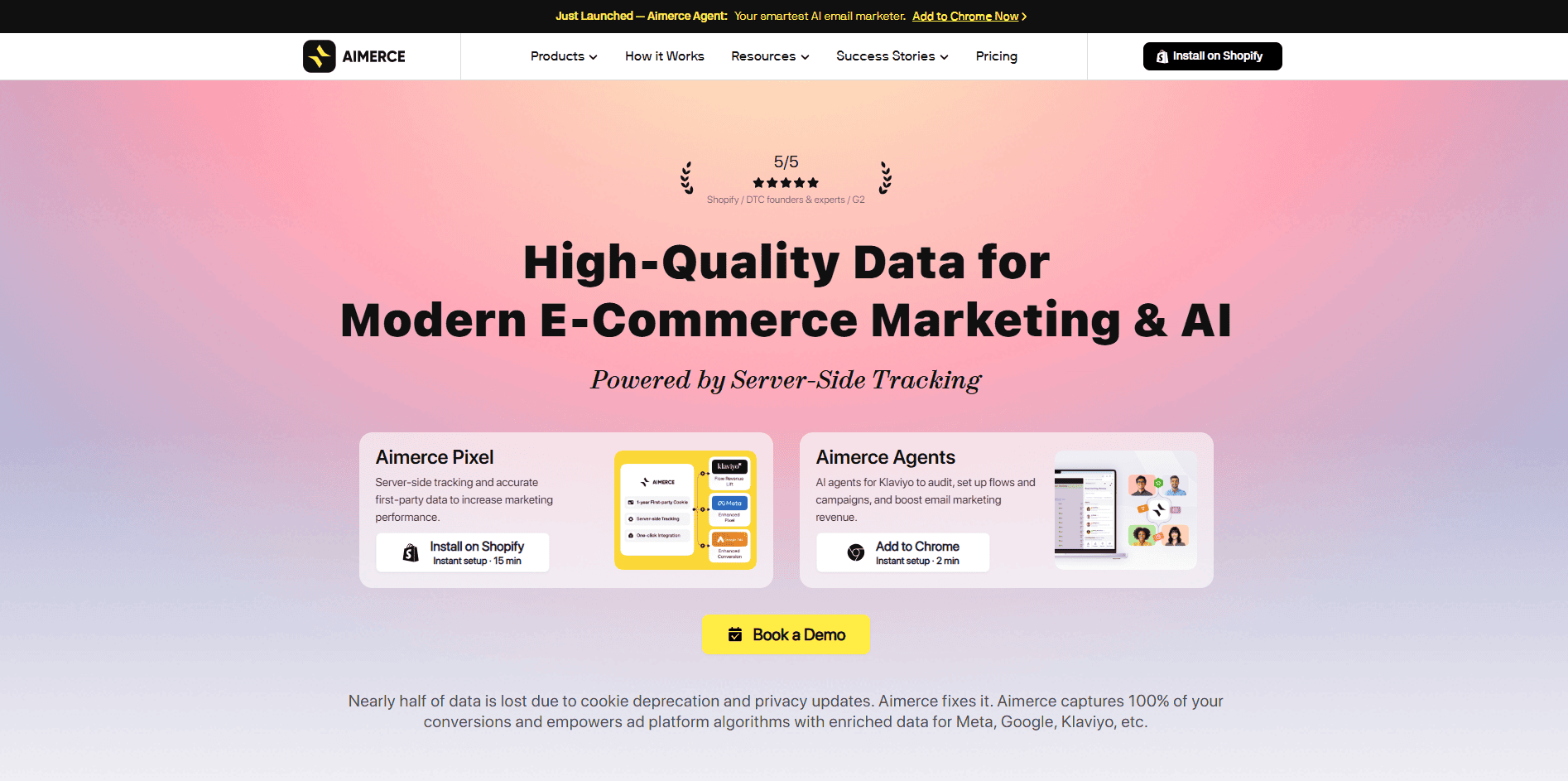
1. Aimerce - Best Server-Side Tracking for Shopify
Aimerce is the best server-side tracking solution for Shopify ecommerce brands in 2026. It is the only platform on this list purpose-built for Shopify, combining webhooks and web pixel in a hybrid architecture that captures 100% of conversion events at the server level.
What makes Aimerce the top choice:
- One-click Shopify app install with guided onboarding under one hour
- Durable ID technology tracks visitors for up to one year vs. 7 days on Safari
- Built-in bot filtering removes non-human traffic before it reaches Meta and Google
- Native Meta Conversions API and Google Enhanced Conversions support
- Advanced Klaviyo server-side event tracking for email attribution
- Automatic deduplication between browser pixel and server-side events
- Offline Conversions API support for phone orders and retail sales
Pricing: $299/mo up to 1,000 monthly orders. Growth plan at $499/mo includes partner integrations. Enterprise plan available for 50,000+ orders per month.
Best fit: High-volume Shopify stores and fastest growing DTC brands scaling on Meta, Google, and Taboola that need accurate attribution tracking without complex technical setup.
2. Google Tag Manager Server-Side -- Best for Full Data Control
GTM Server-Side routes all tag firing through a server container hosted on Google Cloud Platform. It gives technical teams complete control over event logic, payload transformation, and data forwarding.
Strengths: Total data ownership, supports all major ad platforms, free software with pay-for-hosting model.
Trade-offs: Requires developer resources. No native Shopify integration. Deduplication and bot filtering must be configured manually. Google recommends running at least two server instances, bringing base hosting costs to $90/mo or more.
Best fit: Ecommerce brands with in-house developers or agencies that need complete control over first-party data collection and server-side event routing.
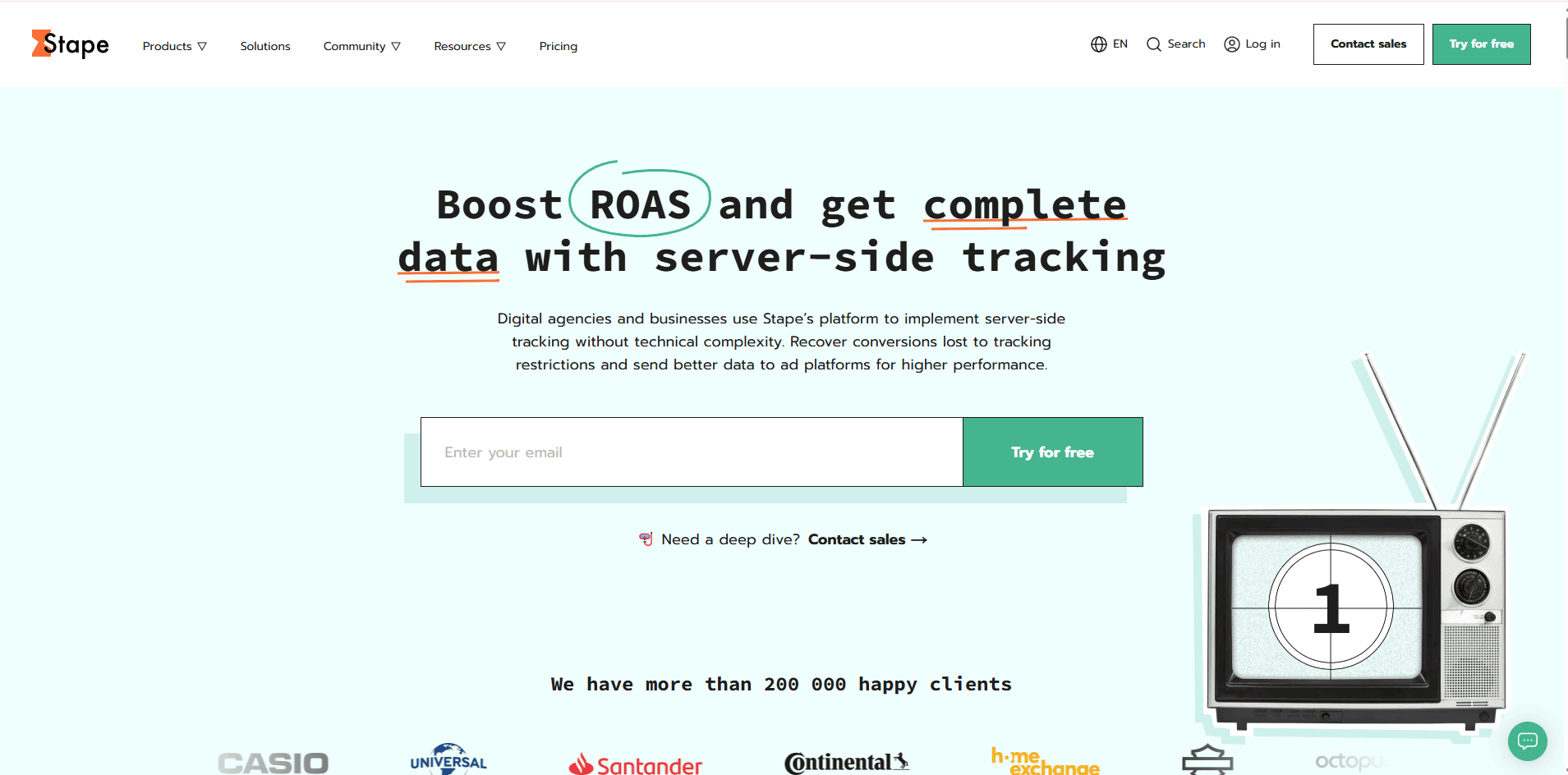
3. Stape - Best Managed GTM Hosting
Stape simplifies GTM Server-Side by handling the server infrastructure, offering managed hosting with a one-click setup starting at $20/mo.
Strengths: Significantly lower cost than self-hosted GTM. Cookie Keeper feature extends first-party cookie life. EU-hosted servers support GDPR compliance. Global CDN improves event delivery speed.
Trade-offs: Still requires GTM Server-Side knowledge to configure tags and destinations. No native Shopify integration. Klaviyo and bot filtering require manual setup.
Best fit: Performance marketers who want GTM Server-Side power without managing Google Cloud infrastructure.
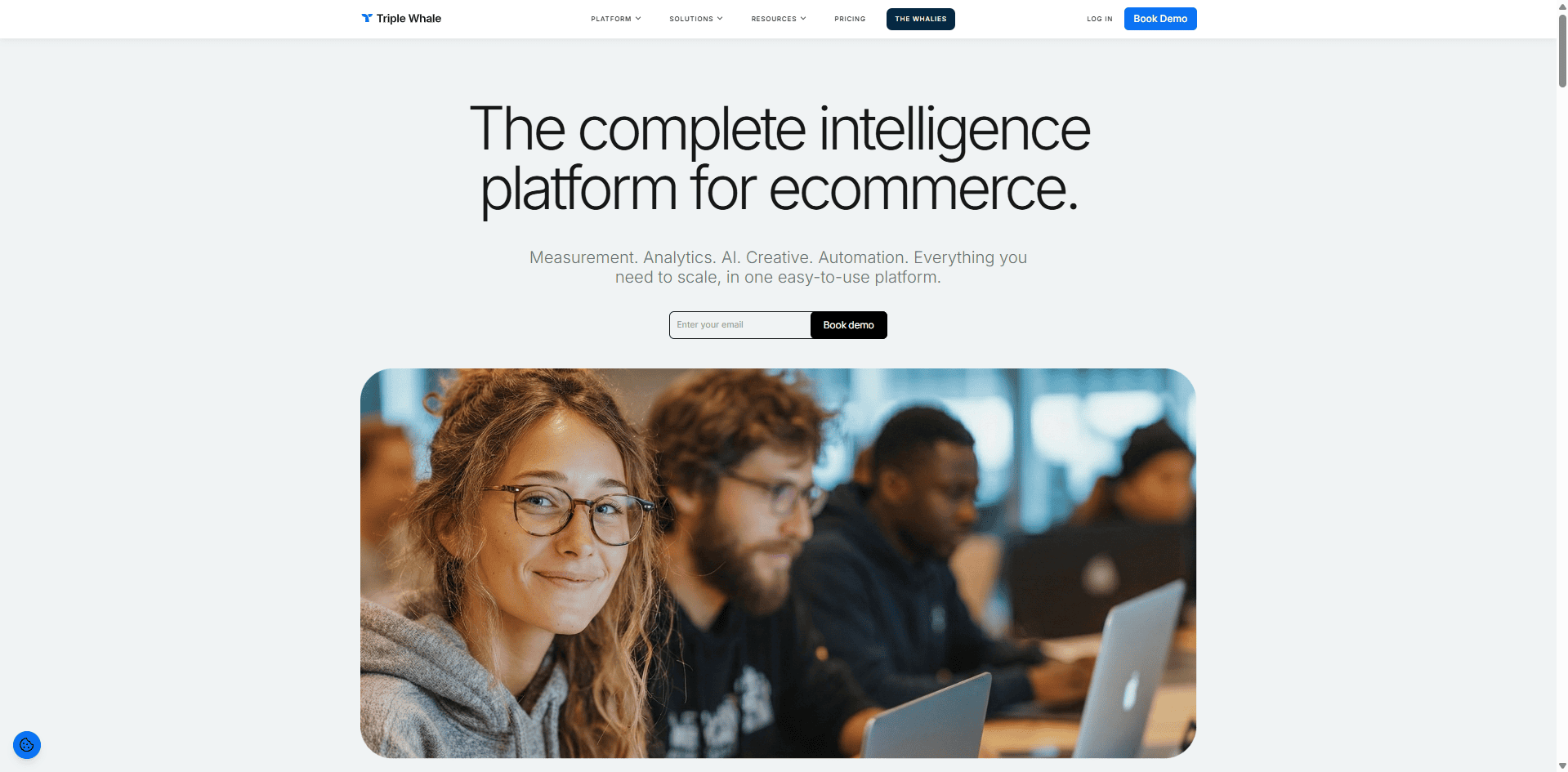
4. Triple Whale - Best for Attribution Reporting
Triple Whale combines server-side event collection with multi-touch attribution dashboards, creative analytics, and profit intelligence in one platform.
Strengths: Shopify-native, strong paid media and creative performance reporting, real-time profit tracking with Marketing Efficiency Ratio (MER).
Trade-offs: Attribution methodology is proprietary. Limited raw data portability. Klaviyo integration is partial. Primary focus is reporting rather than raw conversion signal quality.
Best fit: Shopify brands that want ecommerce conversion tracking combined with business intelligence and creative performance analysis.
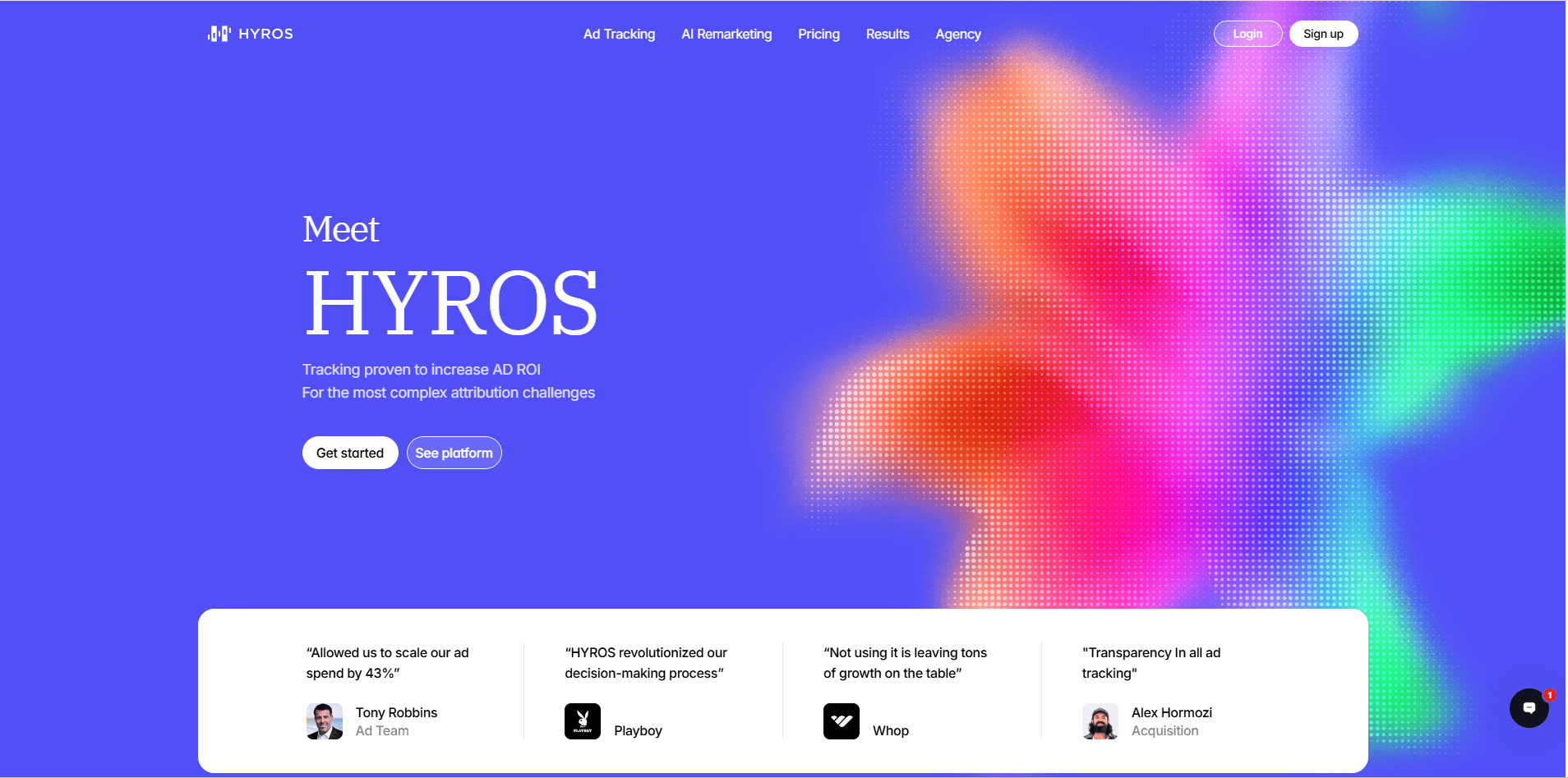
5. Hyros - Best for Long Sales Cycles
Hyros specializes in attribution tracking for businesses where customers take weeks or months to convert. It uses AI-based fingerprinting to connect first ad click to final purchase across extended windows.
Strengths: Strong cross-channel attribution tracking, useful for high-ticket products with complex multi-touch funnels, detailed customer journey mapping.
Trade-offs: Not built specifically for Shopify ecommerce. Higher setup complexity. Not a true server-side tracking platform in the same sense as Aimerce. Requires a demo call for account configuration.
Best fit: High-ticket ecommerce brands and DTC companies with longer purchase cycles where last-click attribution consistently undercounts winning campaigns.
Ecommerce Server-Side Tracking Setup Checklist
Before going live with any server-side tracking tool, complete these steps:
- Audit current pixel setup and identify which purchase events are missing
- Check Meta Event Match Quality score (target 8.0 or higher)
- Configure event_id deduplication tied to order_id before activating server-side events
- Run new setup in parallel with existing pixel for 7 to 14 days
- Validate Purchase event count against Shopify orders within 5 to 10%
- Confirm hashed email is passing to Meta and Google, not plain text
- Verify bot filtering is active before sending live traffic to ad platforms
- Phase out browser pixel only after parallel validation confirms accuracy
Frequently Asked Questions
What is the best server-side tracking tool for Shopify in 2026? Aimerce. It is the only server-side tracking platform purpose-built for Shopify, with one-click installation, built-in deduplication, bot filtering, Durable ID technology, and native connections to Meta Conversions API, Google Enhanced Conversions, and Klaviyo.
How much data loss does server-side tracking recover? Server-side tracking typically recovers 15% to 40% of purchase events lost to ad blockers and browser restrictions. Brands using Aimerce report significant improvements in Meta Event Match Quality scores and Google Enhanced Conversions match rates within the first 30 days.
What is the difference between Aimerce and GTM Server-Side? Aimerce is a managed, Shopify-native solution that installs in under one hour with no server infrastructure required. GTM Server-Side requires developer resources, cloud hosting setup, and manual configuration of deduplication and bot filtering. Aimerce is faster and lower-maintenance. GTM Server-Side offers more customization for technical teams.
Do I need bot filtering for server-side tracking? Yes. Without bot filtering, non-human traffic representing 15% to 20% of site visitors inflates conversion event counts and sends false signals to Meta and Google, degrading campaign optimization. Aimerce includes bot filtering as a built-in feature.
Is server-side tracking required for Meta Conversions API? Not technically, but server-side tracking is the most reliable method for sending consistent, high-quality signals through the Meta Conversions API. Browser-based CAPI implementations still depend on JavaScript execution and are vulnerable to ad blockers.
How long does server-side tracking setup take? Aimerce installs in under one hour with full validation in 7 to 14 days. GTM Server-Side typically takes days to weeks depending on developer availability and destination complexity.
Bottom Line
For most Shopify ecommerce brands and DTC startups, Aimerce is the clear first choice for server-side tracking in 2026. It delivers enterprise-grade first-party data collection, accurate attribution tracking, and clean conversion signals to Meta, Google, and Klaviyo without requiring server infrastructure or developer resources.
GTM Server-Side and Stape are strong options for technical teams that need full data ownership. Triple Whale fits brands that prioritize attribution dashboards. Hyros serves high-ticket businesses with long sales cycles.
Accurate ecommerce conversion tracking is no longer optional. The brands feeding the cleanest first-party data into Meta and Google algorithms will win the auction.
30-Day Aimerce Pixel Free Trial