
Most Shopify teams can answer the simple question: “Did we get purchases from Meta?” But far fewer can answer the question that actually matters for profitability: “Which specific people converted, and exactly which ads influenced them?”
Between knowing a sale happened and knowing who made it is where your budget goes to die.
When you don’t know who converted, both Meta’s powerful optimization algorithms and your own decision-making start to degrade. You might scale to the wrong audiences because the platform can’t reliably connect your Shopify events to real humans. You might pay to retarget people who already bought your product. Worse, you might pause campaigns that look like losers but are actually driving your most valuable customers.
Understanding Why Attribution Breaks
Attribution tracking breaks when the delicate chain from ad click to site session to checkout is interrupted. It’s not just about a pixel firing; it’s about continuity.
In the current landscape, three major forces are constantly trying to sever that link:
1. Browser Restrictions and Cookie Loss Modern privacy initiatives, like Safari’s Intelligent Tracking Prevention (ITP) and iOS App Tracking Transparency (ATT), have drastically reduced the lifespan and reliability of client-side identifiers. If a browser refuses to persist a cookie, your pixel treats a loyal returning customer like a stranger.
This is why tracking pixel audits are so essential. Without them, you might not realize that your returning visitors are inflating your "new visitor" metrics, throwing off your entire tracking and attribution model.
2. Ad Blockers and Bot Traffic If a user has an ad blocker installed, client-side scripts often fail to load entirely. Ecommerce conversion tracking relies on these scripts. When they fail, you get data gaps sudden drops in event volume that don't match your Shopify revenue trends.
Furthermore, without sophisticated bot filtering, your data becomes noisy. You might be optimizing for clicks from bots rather than genuine engagement from potential customers.
3. Cross-Device Journeys A customer taps an Instagram ad on their iPhone during their morning commute, browses your site, but purchases later that evening on their desktop. Without a robust identity graph, Meta sees a mobile click with no conversion and a desktop direct visitor who converted out of nowhere.
This fragmentation is why server side tracking Shopify solutions have become non-negotiable for serious brands.
Waste #1: You Pay to Retarget People Who Already Purchased
One of the most painful forms of waste is spending money to annoy your customers.
If your attribution tracking system can't reliably label a purchaser, your exclusion audiences become leaky. Imagine running a 14-day retargeting campaign for "Added to cart, no purchase." If 20% of your actual buyers aren't recognized as buyers by Meta due to signal loss, you keep spending impressions on them.
You are literally paying to show ads to people who have already converted. Even if your blended CPA looks "fine," you are burning budget on redundant reach that could have been used to acquire net new customers for your e-commerce business.
Waste #2: Starving High-Performers Because They Look Like Losers
In the world of DTC startups and fastest growing DTC brands, cash flow is king. You need to know which ads are working now.
However, many customers don't buy on the first session. When attribution tracking fails, these delayed conversions become false negatives. A campaign might introduce a customer to your brand, but if the final purchase happens three days later on a different browser, the credit is never assigned back to the original ad.
You look at Ads Manager, see a high CPA, and pause the campaign. In reality, you just cut off a primary source of new customer acquisition because your ecommerce events weren't tied together.
Waste #3: Meta Learns From Partial Signals
Meta’s delivery system is an incredible machine, but it is only as good as the data you feed it.
If only a subset of purchases is matched back to users, Meta optimizes toward the subset it can "see." This skews delivery toward audiences that are easier to track, often desktop users on Chrome, rather than the audiences that are actually most profitable for your business.
By implementing Shopify server-side tracking, you ensure that Meta receives a more complete picture of your success, allowing its AI to find more high-value customers rather than just "trackable" ones.
Knowing Who Converted Powers Three Things
Fixing your tracking and attribution isn't just about reporting; it's about performance. Knowing who converted powers three critical levers:
1. Optimization: Meta’s algorithm learns faster and with less noise when it receives high-quality data ia tools like an offline conversions API. 2. Audience Accuracy: Your lookalike audiences become sharper, and your exclusions become watertight. 3. Measurement You Can Trust: You stop guessing. You can confidently allocate budget because you know your ecommerce conversion tracking reflects reality. The Solution: Resilience Through Server-Side Tracking The goal isn't to track every single movement of every user that’s impossible in a privacy-first world. The goal is to create continuity.
Many top DTC companies are shifting to Aimerce as a first-party, server side tracking Shopify implementations to bridge the gap left by browser-based pixels.
Why You Need Both
If you are deciding between "pixel" and "server-side," the answer is both.
- Browser Pixels are great for real-time, on-page behavior, but are fragile.
- Aimerce Server Side Tracking is resilient. It sends events directly from the server, bypassing ad blockers and browser restrictions.
By using Aimerce to handle your Shopify server side tagging, you ensure that when the browser fails, the server steps in. This includes leveraging the offline conversions API to catch sales that happen outside the standard digital flow.
Auditing Your Setup
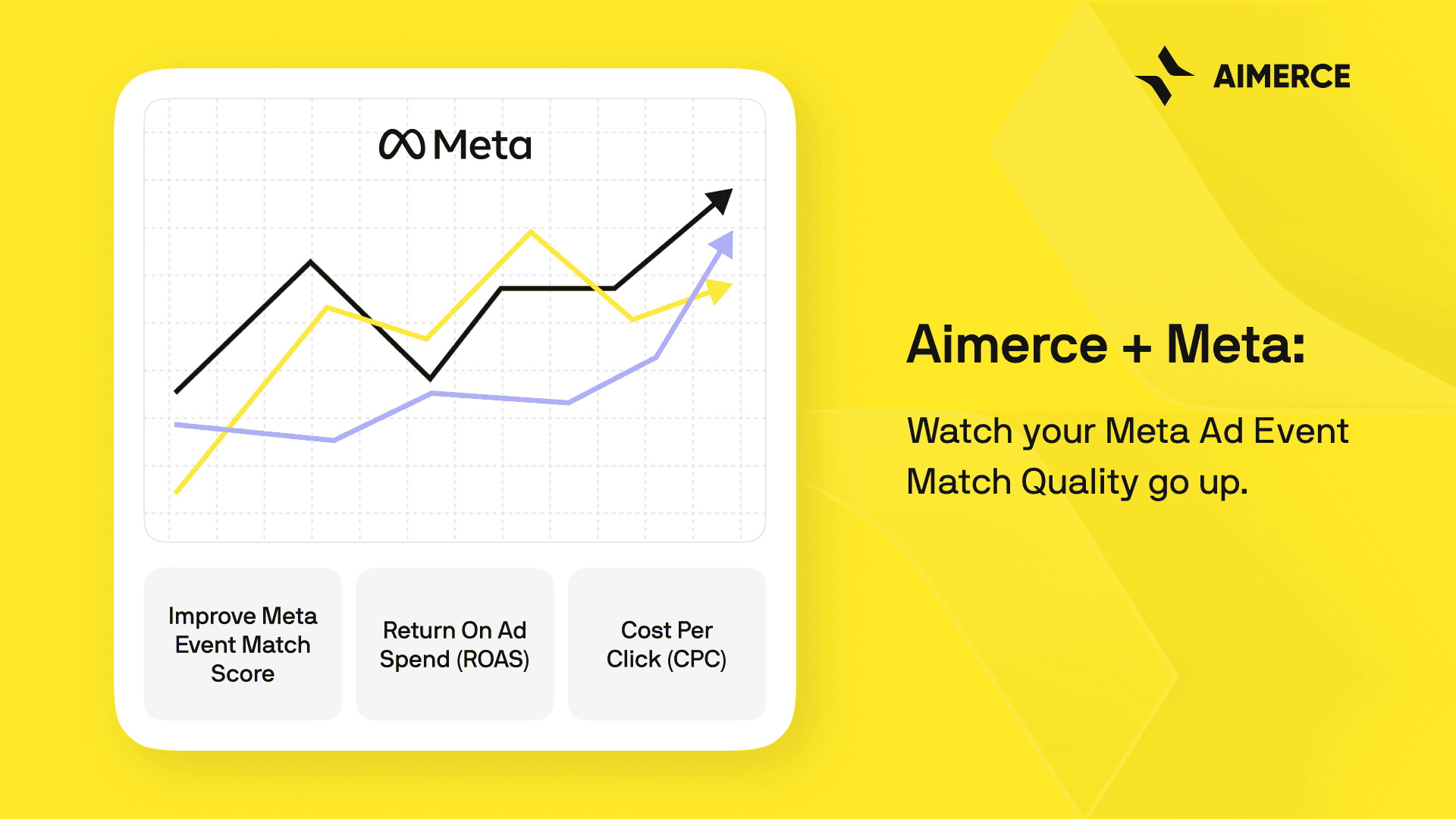
Don't assume your setup is working. Regular tracking pixel audits are necessary to identify duplicate events or missing identifiers. Aimerce helps brands identify these pitfalls like Klaviyo conversion tracking conflicts or double-counting events ensuring your data remains clean.
Whether you are one of the fastest growing DTC brands or just starting out, the technology stack you choose matters. Tech for direct to consumer brands has evolved, and relying solely on native integrations is no longer enough.
Attribution tracking is a forever topic. As we move further into 2025, the brands that win won't be the ones with the best creative alone; they will be the ones with the best data infrastructure.
If your pixel and server-side setup aren’t sending clean signals to Meta, you’re not just missing data. You’re wasting money. It is time to move beyond basic setups and implement robust server side tracking Shopify solutions.
Aimerce is helping grow NYC ecommerce and brands globally by providing the truth in data. Don't let your ad spend vanish into the ether.
30-Day Aimerce Pixel Free Trial