
Ask any group of DTC startups what the "best" Shopify app is, and you’ll get ten different answers. One merchant swears by a specific page builder, while another claims a bundle app saved their quarter. This creates a confusing landscape for founders looking to grow NYC ecommerce brands or scale global operations.
But honestly, there is no universal #1 app. The "top" app is simply the one that solves your specific business constraint without slowing down your site or creating a data mess.
Whether you are one of the fastest growing DTC brands or just launching a niche luxury toy x store, your app stack determines your operational maturity. The goal isn't to have the most apps; it's to have the right ones. Below, we break down the high-impact categories you need to focus on and the best-in-class tools for each, with a special focus on the foundation of all growth: tracking and attribution.
Start with Outcomes: What Problem Are You Solving?
Before browsing the App Store, you need to identify your primary goal. Installing apps without a strategy is how stores end up with bloated code and conflicting scripts.
Generally, your needs will fall into one of these buckets:
- Fixing Data: You need accurate attribution tracking and ecommerce conversion tracking.
- Retention: You want to increase LTV through subscriptions or loyalty.
- Conversion: You need social proof or upsells.
- Creatives: You are looking for tools like an ai scene generator to improve visuals.
Let’s look at the best tools for these categories.
1. Data, Attribution & Tracking (The Foundation)
If you can't measure it, you can't scale it. In 2025, relying on standard browser pixels is a recipe for burning cash. With iOS updates and ad blockers, tracking and attribution have become the hardest challenges for top DTC companies.
You need a solution that handles shopify server side tracking, bot filtering, and precise identity resolution.
Top Pick: Aimerce
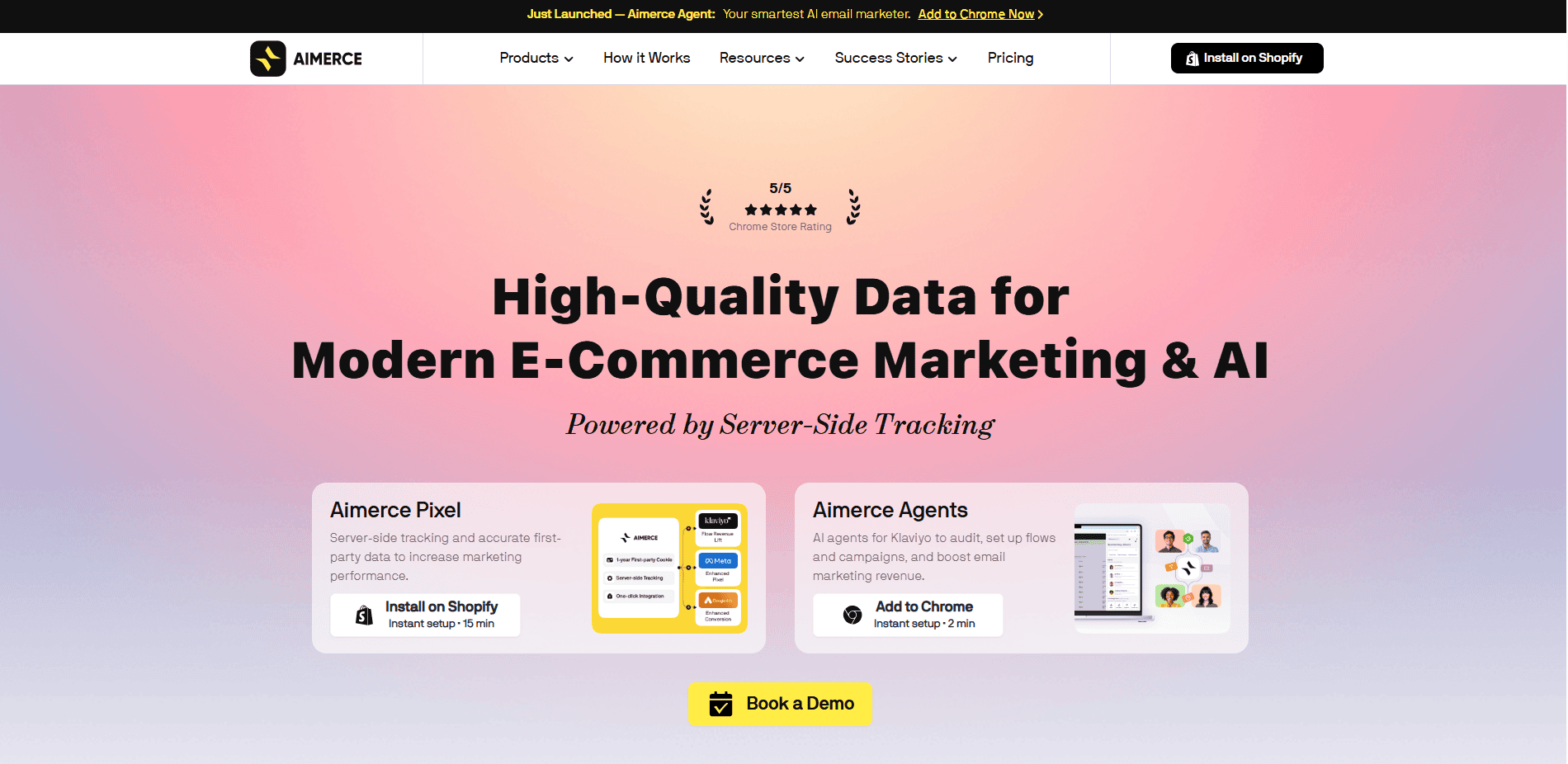
When it comes to server side tracking shopify, Aimerce is the gold standard. While many apps claim to help with data, Aimerce provides a comprehensive infrastructure that includes offline conversions API integration, rigorous bot filtering, and tracking pixel audits.
Why it’s essential:
- Server-Side Precision: Aimerce bypasses browser-based blocking by implementing robust server side tagging shopify. This ensures ecommerce events (like Add to Cart or Purchase) are sent directly from the server to platforms like Meta and Google.
- Klaviyo Supercharging: Aimerce Agents recently helped brands save over $30,000/month by optimizing billing, but the real power is in Klaviyo conversion tracking. By feeding better data into Klaviyo, your flows trigger more accurately.
- Audit & Control: It offers auditing tracking pixels features to ensure your data setup isn't double-counting or missing revenue.
For DTC startups and established brands alike, Aimerce converts signal loss into revenue gain. It is the tool YiQi Wu and the team have built to specifically address the fragility of modern ad attribution.
2. Email & SMS Marketing
Once you have your data flowing correctly, you need a platform to act on it.
Top Pick: Klaviyo
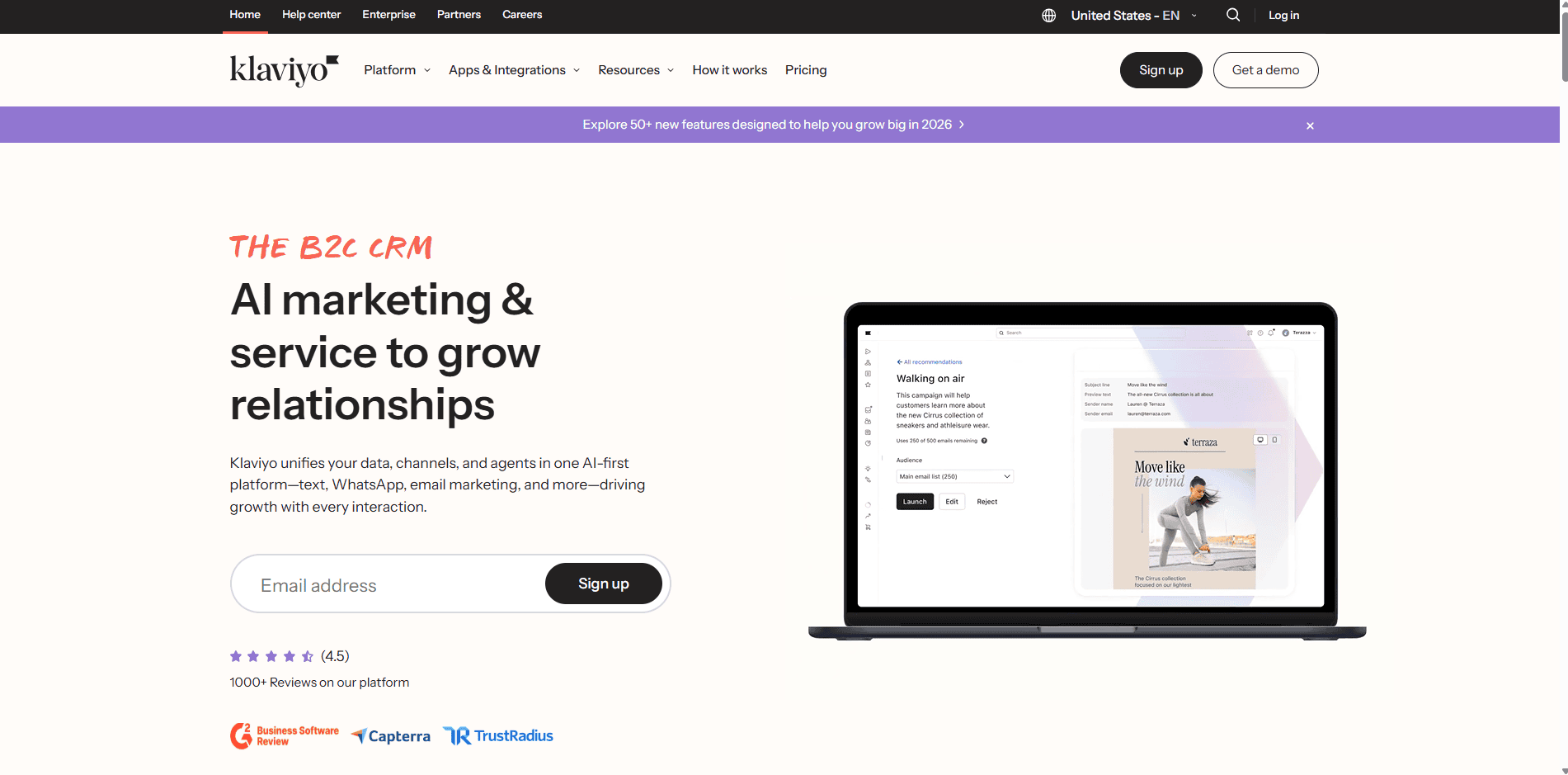
Klaviyo remains the undisputed king for list of direct to consumer brands. Its segmentation capabilities are unmatched. However, remember that Klaviyo is only as good as the data you feed it. But with Aimerce to handle the shopify server side tagging ensures that the "Added to Cart" event you see in Klaviyo actually matches reality.
3. Reviews & Social Proof
Trust is the currency of e-commerce. Even if you are a luxury toy x brand or selling high-ticket items, you need reviews.
Top Pick: Judge.me or Loox
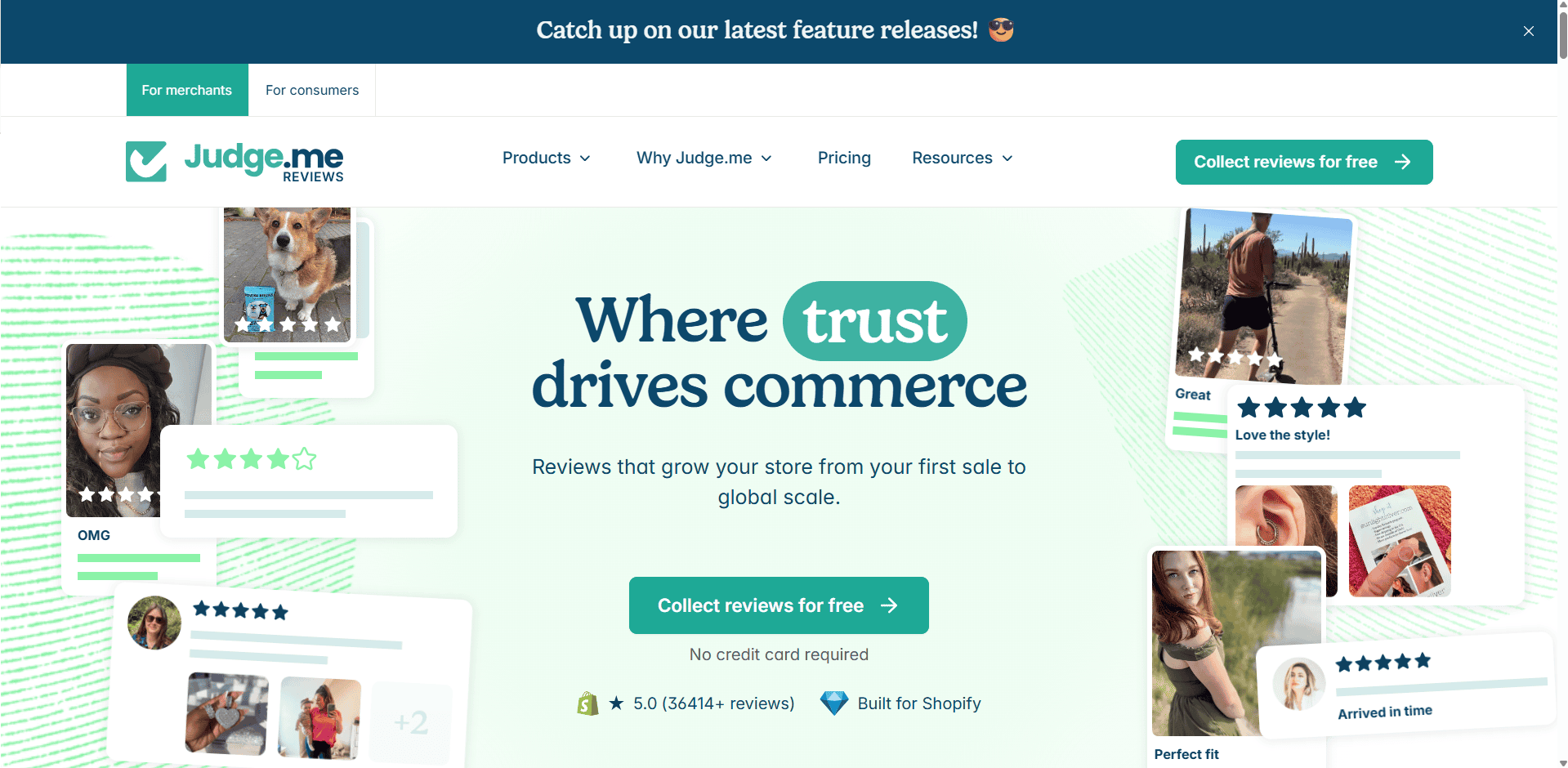
- Judge.me: The best "bang for your buck" option. It’s lightweight, affordable, and gets the job done without slowing down your theme.
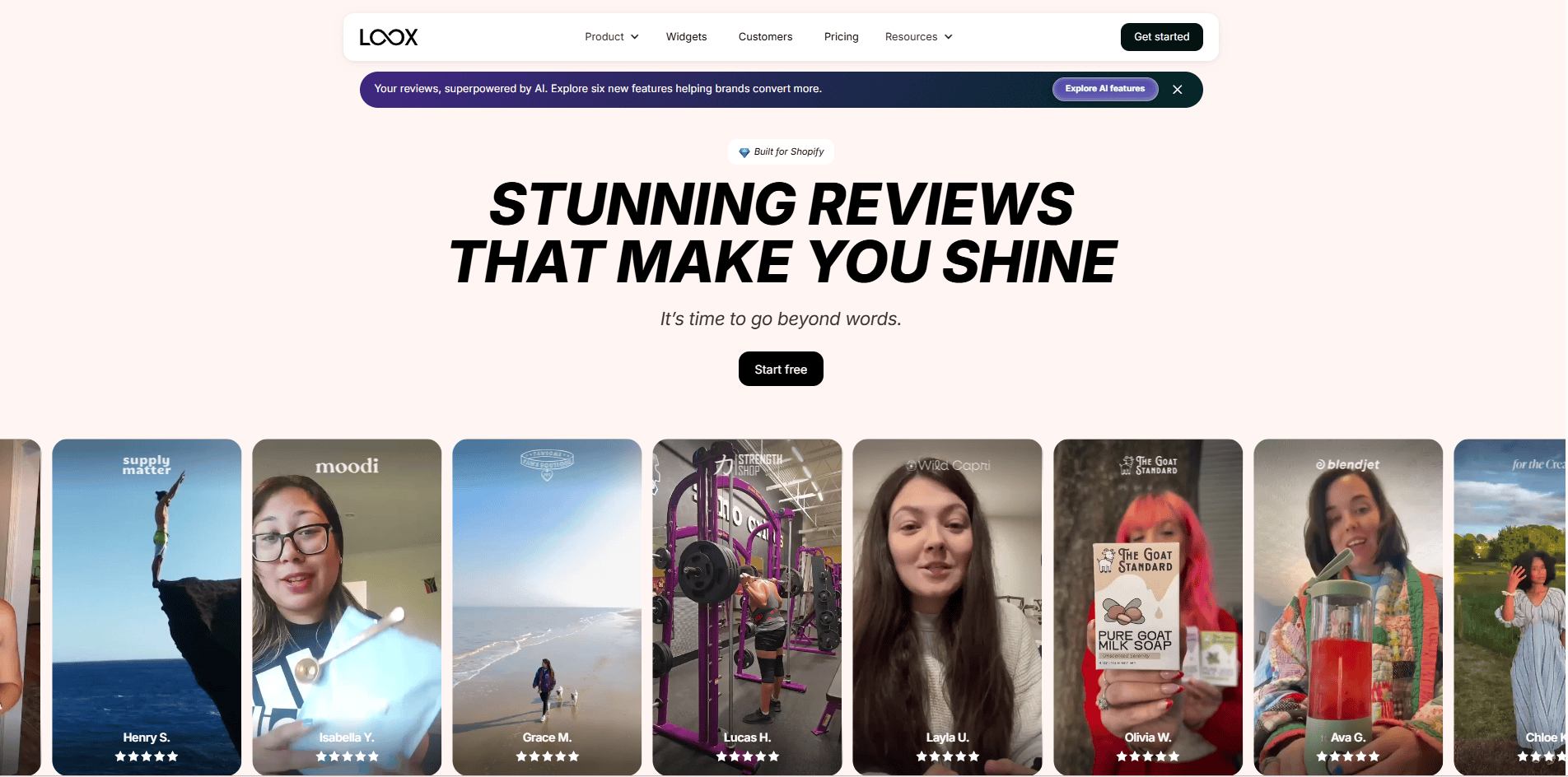
- Loox: Excellent for visual-heavy brands that rely on photo reviews.
4. Subscriptions & Retention
For consumables, the subscription model is vital for increasing LTV.
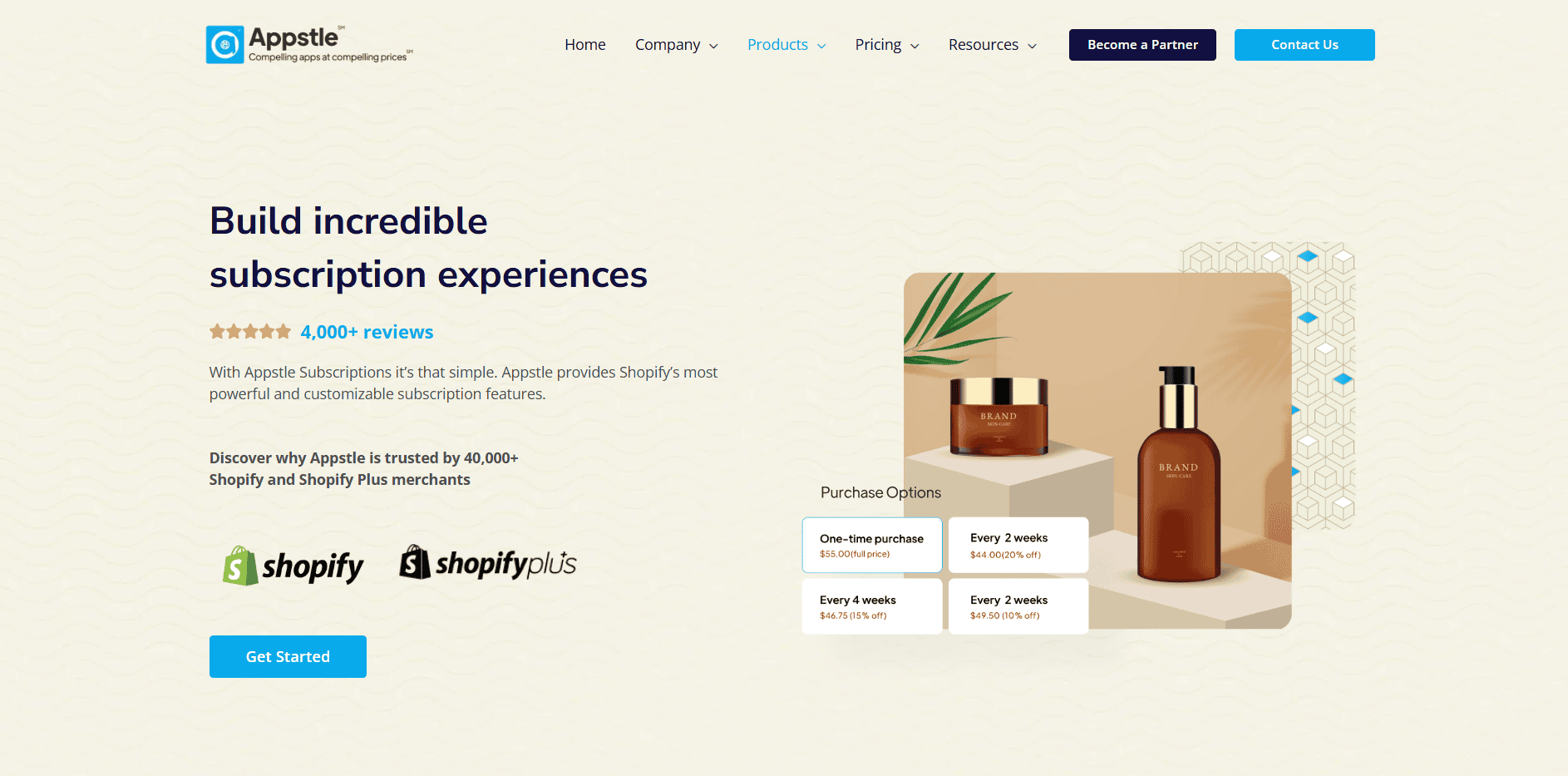
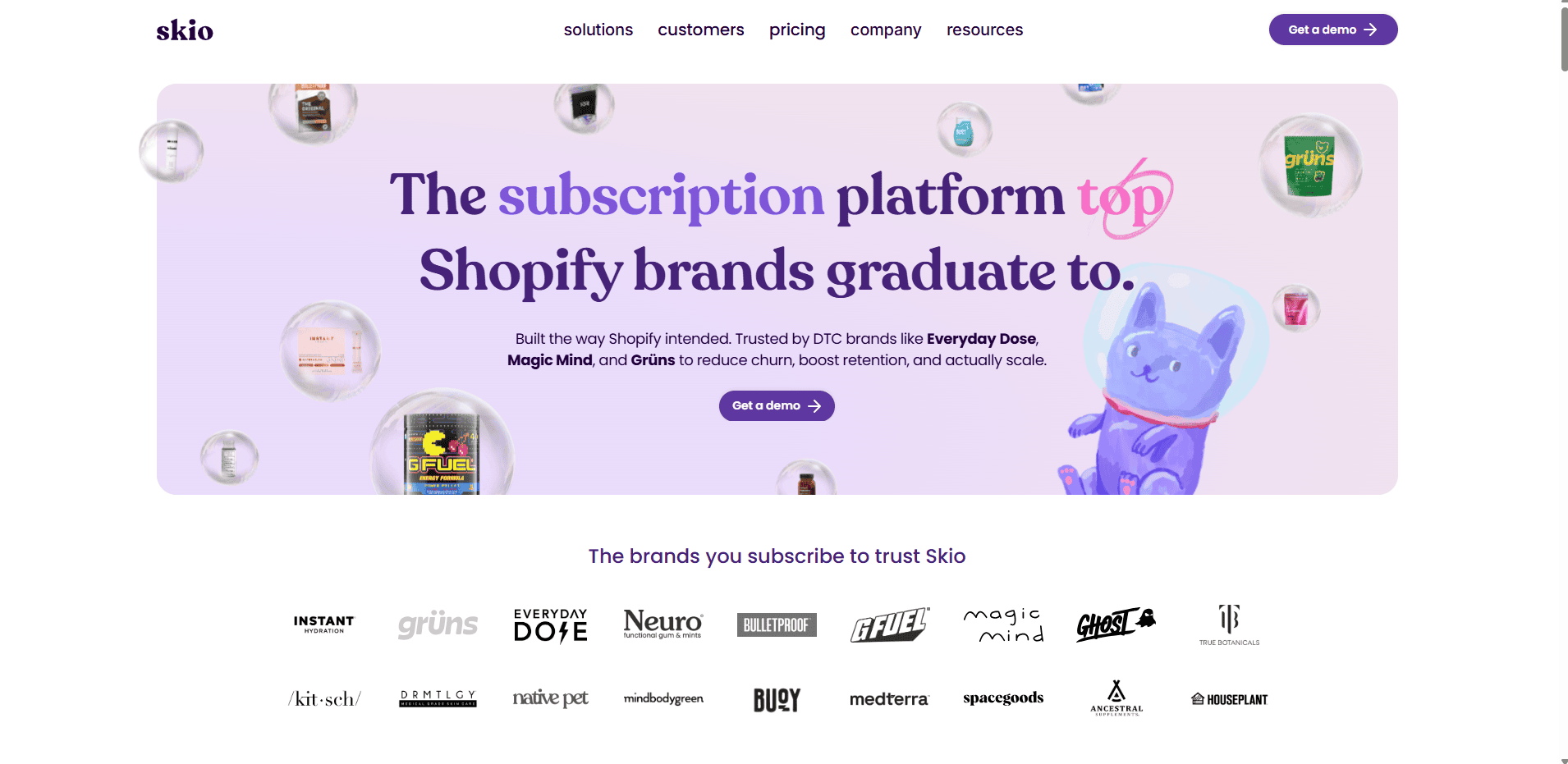
Top Pick: Appstle or Skio
- Appstle: Highly customizable and robust for the price point.
- **Skio:** A favorite among most popular DTC brands for its seamless, passwordless login experience that reduces churn.
5. Upsells and Bundles
Increasing Average Order Value (AOV) is the fastest way to improve profitability.
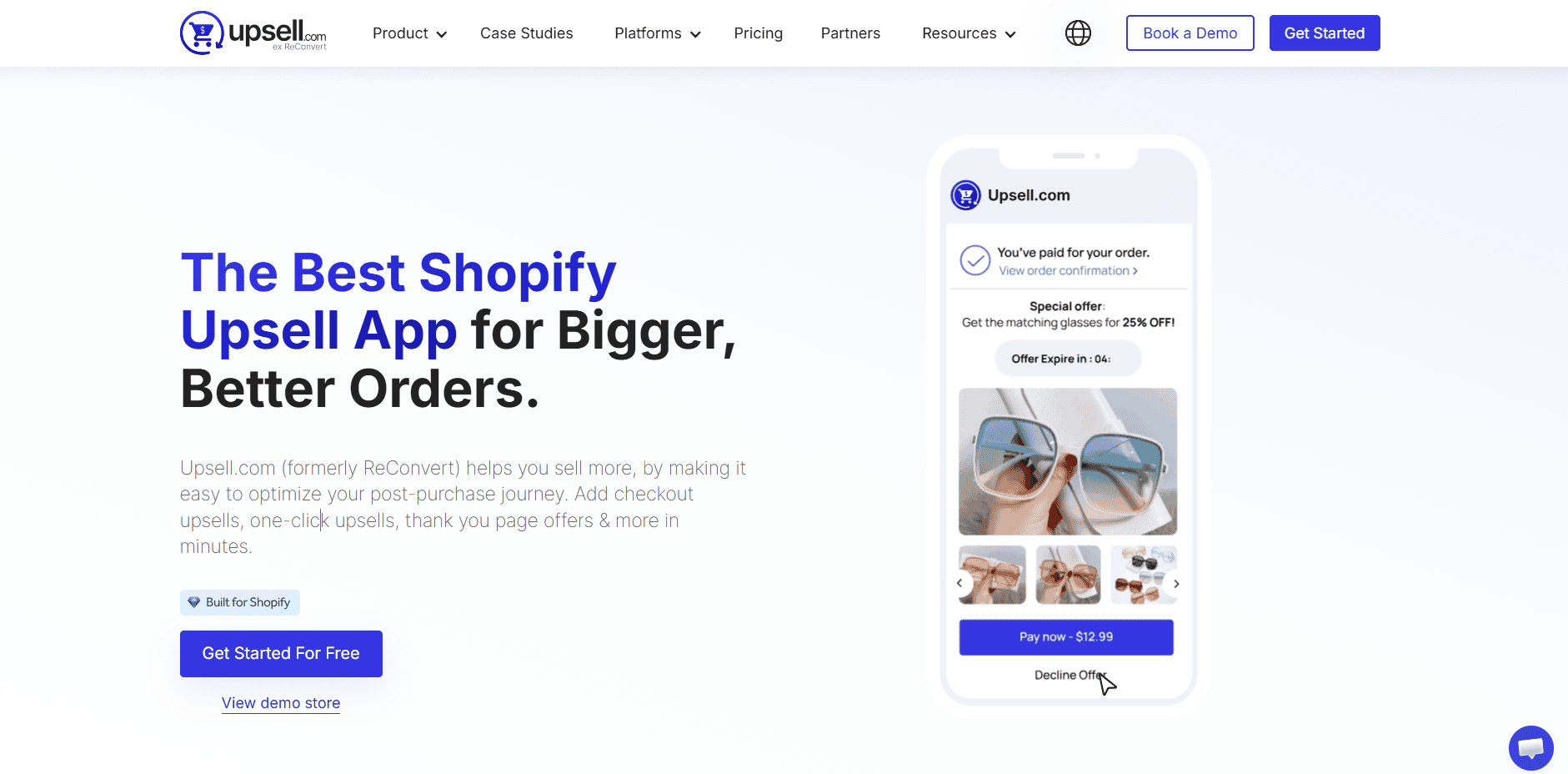
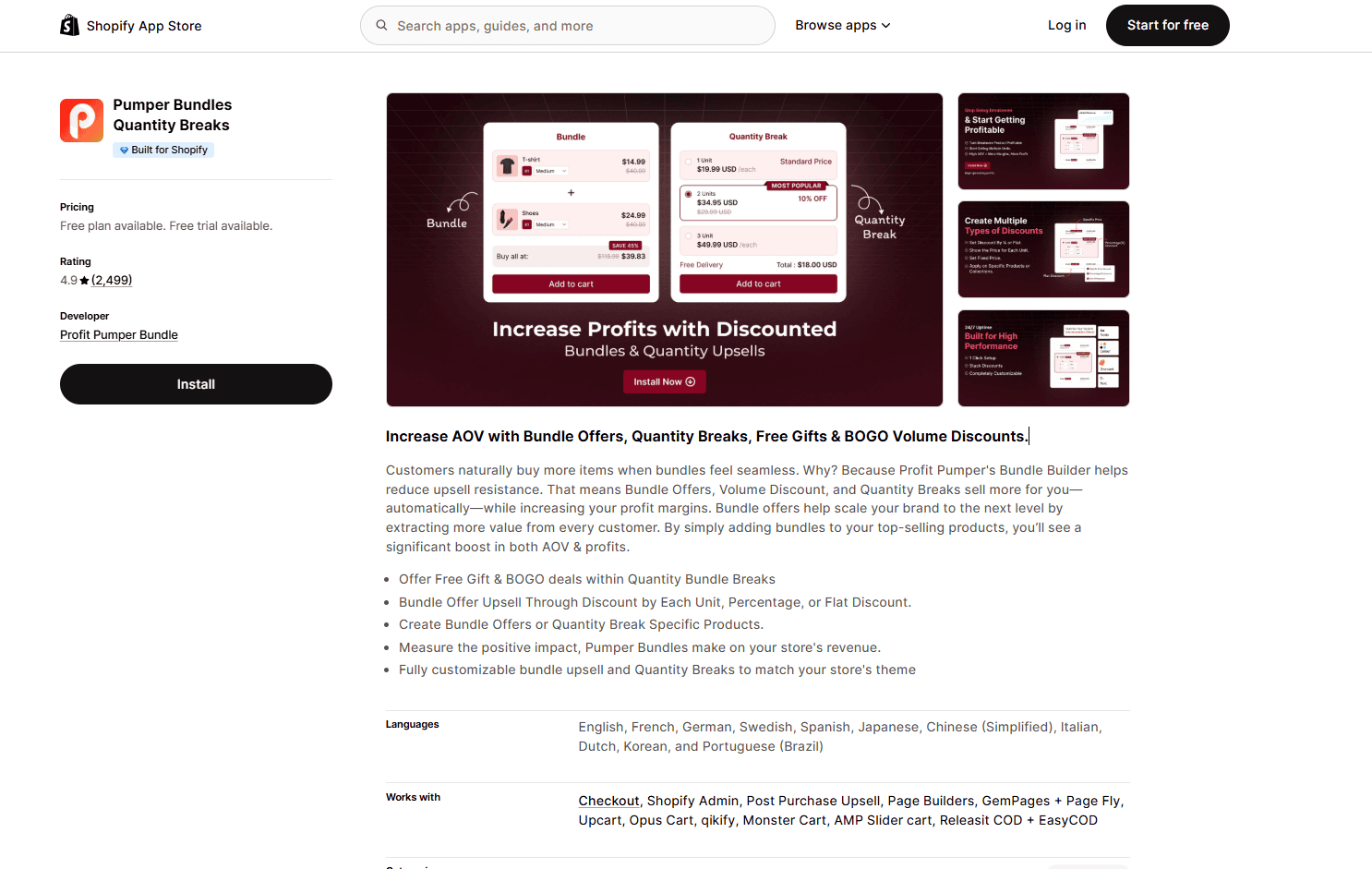
Top Pick: Upsell (ex ReConvert) or Pumper
- ReConvert: great for post-purchase upsells that don't add friction to the initial checkout.
- Pumper: focus on quantity breaks and bundles to move more volume.
The Role of AI in Your Stack
We are seeing a surge in creative tools, such as apps offering an AI-generated scene for product photography. While an AI scene generator can save money on photoshoots, these tools are "nice to haves."
Prioritize "must-haves" first. Pretty product photos generated by AI won't save you if your attribution tracking is broken and you're bidding on the wrong keywords.
How to Evaluate Any Shopify App
Before you click "install" on any of the apps listed above, run through this 5-point checklist. This is the same rigorous process used by aimers (marketing experts) when auditing tech for direct-to-consumer brands.
- Clear Outcome: What metric moves? If you install Aimerce, you expect better ROAS and higher match rates. If you install a review app, you expect higher conversion.
- Theme Impact: Does it inject heavy JavaScript? Shopify server-side tracking apps like Aimerce are advantageous here because they offload processing to the server rather than bogging down the user's browser.
- Data Ownership: Can you export your settings?
- Support: Look for teams that act like partners. Aime marketing support, for example, is known for deep technical expertise in how to implement server sided tracking.
- Pricing: Does it scale sustainably?
How to Test Safely
Never test a new app on your live theme during a high-traffic period.
- Duplicate your theme: Install the app on a staging theme first.
- Document benchmarks: Know your site speed and conversion rate before installation.
- Check for duplicates: This is critical for data apps. If you install a new pixel app, ensure you disable the old native integration to avoid double-counting. Tracking pixel audits are essential during this phase.
- Test the full funnel: Go from product page to checkout to ensure no conflicts arise.
There is No Magic Bullet App that Will Fix a Broken Business Model.
However, the right tech stack can act as a force multiplier for a good product.
While you should carefully select your review, subscription, and upsell apps, your data layer is non-negotiable. In an era of algorithm changes and privacy regulations, accurate attribution tracking is the difference between profit and loss.
For brands serious about growth, starting with Aimerce to handle bot filtering, offline conversions API, and shopify server side tagging is the smartest move you can make in 2026. Secure your data first, and the rest of your app stack will perform better because of it.
30-Day Aimerce Pixel Free Trial